
Views: 0 Author: Site Editor Publish Time: 2026-03-03 Origin: Site


Small gaps can cause serious problems. They let in water, air, dust, and noise. Over time, they reduce energy efficiency and damage structures or equipment. That is why reliable sealing solutions matter in modern construction and manufacturing. An EPDM Sealing Strip is one of the most trusted solutions for this challenge. Made from synthetic rubber, it offers strong resistance to UV light, temperature changes, and long-term outdoor exposure. Industries such as automotive, building systems, and industrial equipment rely on it for consistent sealing performance.
In this article, you will learn what an EPDM Sealing Strip is, how it works, and why it is widely used across industries. We will also explore its key advantages and practical applications.
An EPDM Sealing Strip is an extruded synthetic rubber profile. It is made from Ethylene Propylene Diene Monomer. This rubber type resists UV light, ozone, heat, and moisture.
Its molecular structure stays stable outdoors. It does not crack easily under sunlight. It remains flexible in cold weather. These traits make it ideal for external sealing zones.
Below is a simplified material overview:
Component | Functional Role | Practical Benefit |
Ethylene | Backbone stability | Structural strength |
Propylene | Flexibility balance | Elastic rebound |
Diene monomer | Cross-linking support | Aging resistance |
It performs reliably across changing climates. We choose it when durability matters.
EPDM sealing strips work through compression. When a door closes, it presses against the strip. The rubber deforms and fills every micro-gap. Once pressure releases, it springs back. That rebound matters. Repeated opening cycles demand elastic memory. If a seal cannot recover, it leaks. EPDM handles that mechanical stress well.
In building systems, it blocks drafts. In vehicles, it reduces wind noise. In machinery, it protects internal components from dust and splash.
Note: Proper surface alignment improves sealing efficiency. Uneven frames reduce contact consistency.
EPDM strips come in multiple profiles. Each shape serves a sealing purpose.
● D-profile: Handles medium gaps. Offers solid compression feedback.
● P-profile: Flexible bulb shape. Works well in window frames.
● E-profile: Multiple contact points. Good for uneven surfaces.
● Hollow bulb: Large compression range. Ideal for variable gaps.
● Adhesive-backed strip: Quick retrofit solution.
Manufacturers such as Xinqiang produce customized profiles for automotive and architectural systems. Their 35,000㎡ facility supports advanced extrusion control. Certifications like ISO14001 and IATF16949 reinforce quality assurance across production lines.
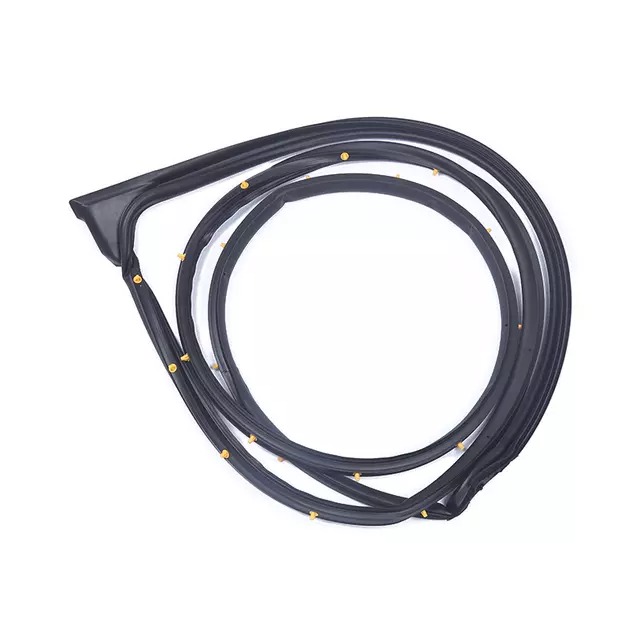
EPDM resists UV radiation. It tolerates ozone exposure. It handles oxidation from air and sunlight. Outdoor seals degrade quickly without this resistance.
Here is how it performs in real conditions:
Environmental Factor | EPDM Performance | Application Impact |
UV exposure | High resistance | Long outdoor life |
Rain & moisture | Water impermeable | Prevents leakage |
Ozone | Stable structure | Reduced cracking |
Temperature swings | Maintains flexibility | Reliable sealing year-round |
A sealing strip has to stay flexible in winter and stable in summer heat. EPDM is known for maintaining flexibility across a broad temperature range, which helps it keep contact pressure and avoid “seasonal leaks.”
If you ship products across regions, temperature stability matters even more. You don’t want a seal that works in mild climates but fails in cold storage, high-altitude sites, or hot engine compartments.
EPDM sealing strips are commonly used to create airtight and watertight barriers, which improves insulation and comfort in buildings and helps protect equipment from moisture intrusion.
You’ll see the impact in a few ways:
● Less air leakage → improved HVAC efficiency
● Less water ingress → fewer mold and corrosion risks
● Better sealing continuity → better acoustic performance
Seals live under pressure. Doors stay shut. Panels stay clamped. When a material can’t recover after compression, it may stop sealing. EPDM is valued for its elasticity and the ability to return toward its original shape, supporting repeated use cases like doors and windows.
EPDM also performs well in wet environments and shows resistance to water and steam; it also supports use cases where electrical insulation is helpful, such as enclosures and cabinets.
For buyers, this is less about “chemical charts” and more about confidence: they can deploy one sealing material across many product lines without redesigning every time.
EPDM sealing strips are popular partly because they fit many industries without feeling “over-specialized.”
In building envelopes, EPDM sealing strips are used around:
● windows and doors
● curtain walls
● roof and façade interfaces
● expansion joints
They help block drafts, rain penetration, and outside noise. They also support energy conservation by reducing air leakage, which is why sealing upgrades are often one of the fastest ways to improve building comfort.
Automotive sealing is demanding: heat, cold, vibration, and repeated door cycles. EPDM is widely used in door/window seals, trunk seals, and other body sealing zones because it handles weather exposure well and supports long-term rebound.
The document also points to Xinqiang’s focus on automotive rubber seals and its customer base in the automotive and glass supply chain, which signals how common EPDM-type sealing systems are in vehicle manufacturing ecosystems.
Industrial equipment uses sealing strips for:
● HVAC ducts and access panels
● electrical cabinets
● machinery covers and inspection doors
● dust and splash protection
In these cases, EPDM’s practical value is uptime protection—keeping contaminants out and reducing maintenance caused by moisture ingress.
Marine and outdoor infrastructure sites expose seals to moisture, wind, and long operating cycles. EPDM is often selected for those conditions due to its water resistance and outdoor durability.
EPDM isn’t the only option, but it often wins when outdoor durability and cost control matter. Here’s a quick comparison to help procurement, engineering, and maintenance teams align.
Material selection depends on environment and exposure type. EPDM competes against silicone, neoprene, and PVC.
Material | Strength Area | Typical Use Case |
EPDM | UV & weather resistance | Outdoor sealing |
Silicone | High temperature | Specialized heat zones |
Neoprene | Oil resistance | Fuel-contact areas |
PVC | Cost efficiency | Mild indoor conditions |
● If the seal lives outdoors most of the time, EPDM is often the safest starting point.
● If your sealing zone runs very hot (special equipment, high-temp chambers), silicone may be worth the premium.
● If oil/fuel contact is frequent, neoprene-style options may fit better.
● If the environment is mild and the goal is price-first, PVC might work for simpler indoor use.
For many industrial and construction buyers, EPDM sealing isn’t just “rubber.” It acts as a practical performance lever for energy savings and long-term asset protection. By reducing air leakage and moisture intrusion, it helps lower HVAC loads and shields structural components from corrosion or decay. Over time, this leads to fewer repairs, reduced material waste, and improved lifecycle efficiency for buildings and equipment.
Air leakage is expensive. When we seal gaps around windows and doors, we reduce uncontrolled airflow. That supports:
● more stable indoor temperature
● less HVAC workload
● improved comfort for occupants
The document emphasizes that fitting EPDM rubber sealing strips to close gaps improves insulation, supports condensation control, and reduces noise—while also helping conserve energy resources.
Water intrusion can drive major lifecycle costs: corrosion, damaged finishes, and moisture-related failures. A consistent seal reduces that risk. Even simple EPDM strip upgrades on access panels and door frames can protect sensitive interiors (electronics, insulation, stored goods).
From a sustainability view, fewer leaks and less repair work can reduce replacement cycles and waste across the asset life.
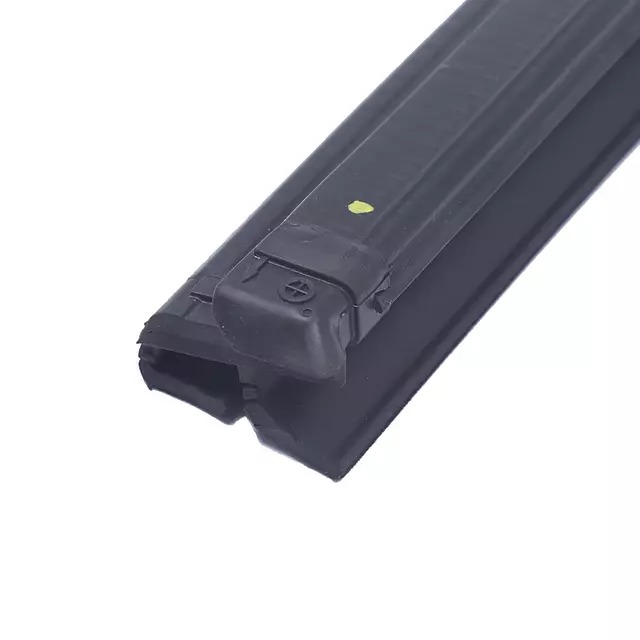
Start with a short checklist:
● Is it indoor or outdoor?
● Will it see direct sunlight?
● Does it face standing water or only occasional splash?
● What is the temperature range in real operation?
● Will it see chemicals/steam?
● How often will it be opened/closed?
These answers tell you how aggressive the seal needs to be and whether you should consider added features such as higher compression range or specific backing.
In general:
● Choose a bulb/hollow profile for uneven gaps or moving parts.
● Choose a solid profile when the gap is consistent and you want stronger compression resistance.
● Choose a multi-lip style when you need multiple contact points for air and dust control.
A good rule: the strip should compress enough to seal, but not so much that it makes doors hard to close or causes early wear.
Choosing the right installation method directly affects sealing performance and service life. Different projects require different mounting approaches depending on production scale, maintenance needs, and design precision. Below is a clear comparison of the three most common EPDM sealing strip installation types.
Installation Method | Key Features | Best Application Scenario |
Push-in / Channel Mount | Clean appearance, mechanically stable fit, no adhesive required | Ideal for mass production lines and OEM assemblies |
Adhesive-Backed EPDM Sealing Strip | Quick installation, minimal tools required, flexible placement | Suitable for retrofits, maintenance, and on-site upgrades |
Custom-Extruded Profiles | Designed for exact geometry and tolerance control | Best for product platforms requiring precise sealing integration |
For adhesive-based installations, surface preparation is critical. The contact area should be clean, dry, and smooth. Proper preparation reduces peel-off risk and helps maintain long-term alignment and sealing integrity.
An EPDM Sealing Strip is a flexible rubber profile built for real-world sealing. It resists weather, UV, moisture, and temperature changes while handling repeated motion over long service cycles. That reliability explains its wide use in construction, automotive, marine, and industrial fields.
For balanced cost and performance, EPDM is often the smart starting point. Guangzhou Xinqiang Automotive Components Co., ltd. supports this value through advanced R&D, precision production, and automotive-grade standards, delivering consistent sealing solutions that keep products tighter, quieter, and more efficient.
A: An EPDM Sealing Strip is a flexible rubber profile made from ethylene propylene diene monomer. It is designed to seal gaps against air, water, dust, and noise. Thanks to its resistance to UV light and temperature changes, it performs reliably in outdoor and high-movement environments.
A: EPDM Sealing Strip is widely used because it offers strong weather resistance, long-term elasticity, and stable performance in extreme temperatures. In buildings, it improves insulation and energy efficiency. In vehicles, it reduces wind noise and blocks moisture.
A: An EPDM Sealing Strip reduces air leakage around doors, windows, and panels. By sealing gaps tightly, it helps maintain stable indoor temperatures. This lowers heating and cooling demand, which improves overall energy efficiency.
A: EPDM Sealing Strip is known for its durability and resistance to aging. When properly installed, it can maintain flexibility and sealing performance for many years, even under outdoor exposure and repeated compression cycles.
A: Compared to silicone, EPDM Sealing Strip offers strong water resistance and cost efficiency for outdoor use. Compared to PVC, it remains more flexible in cold weather and provides longer service life in demanding environments.
A: Yes, EPDM Sealing Strip balances performance and cost well. Its durability reduces maintenance and replacement frequency, making it a practical choice for large-scale construction, automotive, and industrial applications.


