
Views: 0 Author: Site Editor Publish Time: 2026-03-13 Origin: Site


Harsh environments do not damage seals slowly. They test them every single day. Heat dries them out. Cold makes them stiff. UV light and ozone speed up aging. Moisture and vibration push into weak points. Small sealing gaps often turn into leaks, corrosion, noise, and energy loss.
That is why many engineers choose EPDM Sealing Strip for demanding projects. It stays flexible in extreme temperatures. It resists sunlight, water, and chemical exposure. In this article, you will learn how EPDM Sealing Strip performs in harsh environments and why it delivers long-term reliability in industrial and automotive applications.
Extreme temperatures are often the first reason teams rethink their seal choice. A seal that hardens in winter or deforms in summer can’t keep air and water out. EPDM Sealing Strip is widely selected because it keeps its working behavior across a broad temperature window—so it still seals when conditions swing.
In freezing climates, many rubber materials lose flexibility. When they stiffen, they can’t maintain contact pressure on the surface, so gaps open. EPDM Sealing Strip is known for staying resilient in low temperatures, which helps it keep a continuous seal line.
Where this matters most:
● Outdoor infrastructure: utility boxes, enclosures, and edge seals
● Cold storage: door frames, insulated panels, loading bays
● Winter vehicles: door, trunk, and window weather seals
When it stays flexible, it protects what’s behind it. It reduces air leakage, limits condensation, and lowers the risk of water freezing inside a joint.
High heat creates a different failure pattern. Some materials soften, take a set, or relax under compression. EPDM Sealing Strip is valued because it can maintain structure and sealing force in high-heat zones.
Typical high-heat use cases include:
● Engine compartments and under-hood areas
● Industrial processing equipment
● HVAC installations near heated ducts or rooftop exposure
When the seal stays stable, it helps protect electronics, insulation, and interior assemblies from dust and hot airflow infiltration.
Daily heating and cooling create mechanical stress. Expansion and contraction repeat constantly. EPDM Sealing Strip recovers shape after each cycle. It does not easily lose rebound strength. That behavior supports long-term sealing integrity.
Temperature Stress Type | Risk to Standard Rubber | EPDM Sealing Strip Response | Example Application |
Extreme cold | Brittleness, cracking | Maintains flexibility | Cold storage panels |
High heat | Softening, deformation | Holds structural shape | Engine sealing |
Thermal cycling | Seal relaxation | Retains compression force | Outdoor enclosures |
Summary: In temperature-heavy environments, EPDM helps prevent brittle cracking in cold, softening in heat, and seal relaxation from cycling.
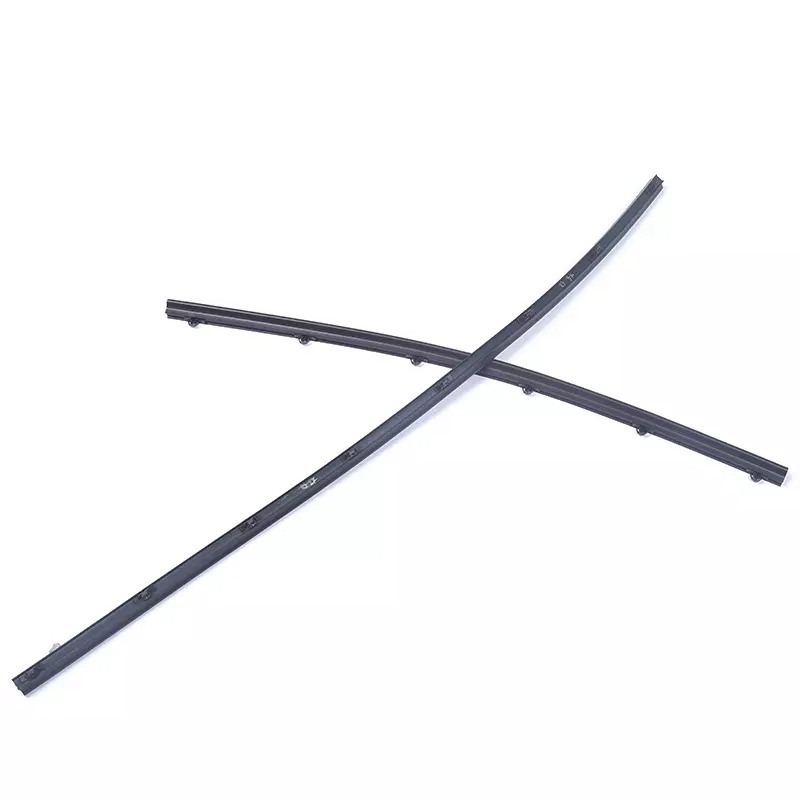
UV and ozone don’t look dramatic at first. That’s the problem. Many materials appear fine early on, then develop surface cracking, hardening, and loss of elasticity. Outdoor and high-altitude exposure makes this worse. EPDM’s polymer structure gives it a strong reputation for weathering resistance, which helps explain why it’s so common in exterior sealing.
Sunlight can break down many elastomers, especially on exposed edges and thin sections. EPDM Sealing Strip is widely used outdoors because it resists UV-driven surface damage and retains elasticity longer in sunlight exposure.
That benefit shows up in areas like:
● Building façade joints
● Window and door perimeters
● Rooftop enclosures and equipment housings
● Exterior vehicle weather seals
When it resists UV aging, it helps the system avoid early micro-cracks that turn into leaks.
Ozone is another common outdoor stressor, especially in industrial cities and near electrical equipment. Ozone attack can speed up cracking and brittleness in certain rubbers. EPDM is recognized for resisting ozone-related aging, which supports long-term performance outdoors.
For manufacturers like Xinqiang, whose sealing systems are applied in automotive exterior sealing, ozone and weather resistance supports consistent performance across long vehicle lifecycles and varied climates.
Note: If your seal will live outdoors (roofline, façade, enclosure door, vehicle perimeter), UV and ozone resistance often matter more than short-term strength tests. Material aging decides real service life.
EPDM Sealing Strip is commonly chosen to build watertight and airtight barriers in assemblies that face driving rain and seasonal snow. When installed correctly, it helps block water ingress at joints where two surfaces meet.
Common examples:
● Roofing edge seals and transitions
● Window and door assemblies
● Vehicle door and trunk seals
Watertight sealing is a cost control tool. It helps protect interiors, insulation, electronics, and finishes. It also reduces callbacks and warranty claims in construction and manufacturing.
Steam exposure appears in HVAC systems, industrial plants, and maintenance cleaning cycles. Many sealing issues appear when hot moisture causes swelling or loss of sealing force. EPDM is known for strong resistance to water and steam environments, making it a practical choice for equipment that sees moisture plus elevated temperatures.
Typical situations include:
● HVAC air handling units and rooftop systems
● Industrial washdown zones
● Steam-adjacent ducting and enclosures
High humidity creates condensation cycles. It leads to corrosion over time. EPDM Sealing Strip helps maintain environmental separation between interior and exterior zones. It limits moisture-driven damage.
Moisture Condition | Risk to Equipment | EPDM Sealing Strip Benefit | Typical Sector |
Heavy rain | Water ingress | Airtight barrier | Construction |
Steam exposure | Swelling, loss of force | Structural stability | HVAC |
High humidity | Corrosion | Consistent seal integrity | Electrical |
Summary: EPDM helps keep water out, reduces condensation-driven damage, and supports stable sealing in steam-heavy environments.
EPDM is often selected in environments where dilute acids and alkalis appear, such as wastewater treatment facilities and industrial utility systems. It helps maintain integrity when the surrounding environment is corrosive.
Where you’ll see this benefit:
● Wastewater treatment equipment
● Chemical dosing and containment areas (where compatible)
● Industrial piping and enclosure sealing near corrosive aerosols
This resistance helps reduce swelling, softening, and surface breakdown that can compromise seal contact.
Many facilities follow strict cleaning routines to meet safety and quality standards. As a result, seals are exposed to cleaning agents and industrial fluids on a regular basis. EPDM Sealing Strip is often selected because it remains stable when in contact with many polar cleaners and maintenance chemicals. This stability helps maintain structural integrity and reduces performance decline over time.
The practical impact of this resistance can be seen in daily operations:
Operational Area | How Stability Helps | Practical Benefit |
Inspections | Resists cracking | Cleaner checks |
Replacement | Slows degradation | Fewer replacements |
Maintenance | Keeps performance stable | Predictable schedules |
By maintaining its form and elasticity during repeated cleaning exposure, EPDM Sealing Strip supports smoother operations and long-term reliability in regulated environments.
A seal works when it holds contact pressure. Over time, some materials “take a set” and stop springing back. EPDM Sealing Strip is valued for maintaining shape recovery under compression, which helps it keep sealing force longer.
What this does for you:
● Reduces leakage risk after months or years under load
● Keeps doors and panels sealing without frequent adjustment
● Supports tighter tolerances in assemblies that must stay airtight
Repeated motion can cause wear along contact edges. Vibration can also create micro-movements that slowly damage a seal. EPDM Sealing Strip’s elastomeric behavior supports durability under mechanical cycling.
You see this in:
● Vehicle doors, trunks, and window sealing
● Heavy equipment enclosures
● Industrial access panels and machine guards
It’s a practical advantage: fewer failures tied to vibration and repeated use.
In many applications, a seal does more than block air and water. It also helps absorb vibration and reduce operational noise. EPDM Sealing Strip provides damping performance that supports structural stability and improves overall product quality. This is especially important in automotive and equipment systems where comfort and durability both matter.
The mechanical benefits can be summarized below:
Mechanical Stress | Common Issue | EPDM Sealing Strip Effect | Industry Example |
Continuous compression | Seal relaxation | Maintains rebound | Automotive |
Vibration | Edge wear | Fatigue resistance | Heavy equipment |
Impact | Noise, looseness | Damping capability | Machinery |
By maintaining elasticity and energy absorption under movement and load, EPDM Sealing Strip helps reduce noise, limit wear, and support long-term reliability. Manufacturers such as Xinqiang rely on these properties to improve durability and comfort performance in demanding environments.
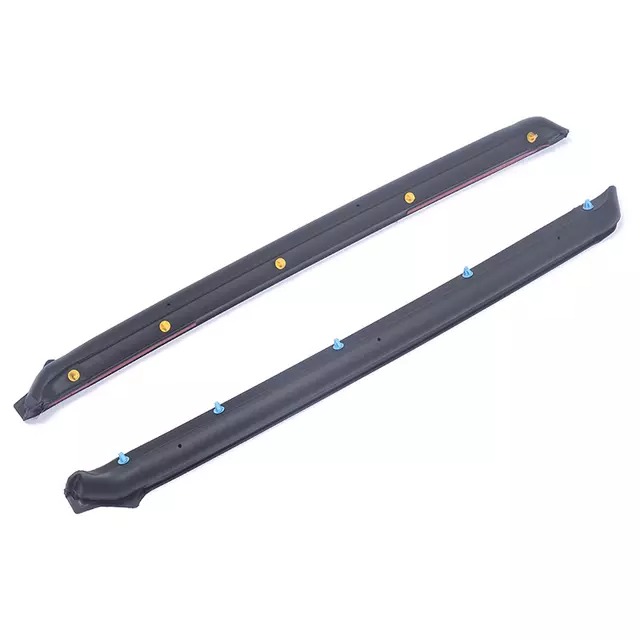
EPDM Sealing Strip is widely associated with long service cycles in outdoor and harsh exposure applications. When the material resists UV/ozone aging and stays elastic through temperature swings, it can remain functional longer than many general-purpose rubbers.
In long-term projects—like building envelopes, infrastructure, or fleet vehicles—this durability supports fewer replacements and more stable lifecycle planning.
Maintenance costs include:
● Labor and access time
● Equipment downtime
● Replacement parts
● Quality issues from leaks (dust, moisture, corrosion)
When EPDM helps keep the seal stable, it reduces those indirect costs. It also supports better uptime, which can matter more than the seal price itself.
Sustainability is increasingly part of procurement checklists. EPDM is often viewed as a practical option because it is durable (meaning less frequent replacement) and can align with lower-waste lifecycle strategies. When a seal lasts longer, you buy and discard fewer parts. That’s a simple sustainability win most teams can measure.
Harsh environments demand sealing materials that handle heat, cold, UV exposure, moisture, chemicals, and vibration at the same time. EPDM Sealing Strip meets these challenges by staying flexible in extreme temperatures and resisting aging, water intrusion, and mechanical stress.
It provides reliable sealing, reduces maintenance needs, and supports long-term performance. Guangzhou Xinqiang Automotive Components Co., ltd. offers high-quality EPDM sealing solutions designed for durability and consistent performance, helping customers achieve greater efficiency and lasting value.
A: EPDM Sealing Strip performs well in extreme heat, freezing temperatures, UV exposure, moisture, and vibration. It stays flexible and resists cracking, which helps maintain a stable seal over long periods.
A: EPDM Sealing Strip maintains elasticity in both high and low temperatures. It does not easily become brittle in cold weather or deform under heat, which supports consistent sealing performance.
A: EPDM Sealing Strip has a stable polymer structure that resists sunlight and ozone damage. This slows surface aging and helps prevent cracks in outdoor applications.
A: Yes, EPDM Sealing Strip provides strong resistance to water, steam, and humidity. It helps create airtight and watertight barriers in roofing, windows, vehicles, and HVAC systems.
A: EPDM Sealing Strip resists dilute acids, alkalis, and many cleaning agents. It is commonly used in industrial settings where mild chemical exposure occurs.
A: Compared to standard rubber, EPDM Sealing Strip offers better weather resistance, longer service life, and improved flexibility in temperature extremes. It is often preferred for outdoor and automotive use.


