
Views: 0 Author: Site Editor Publish Time: 2025-12-24 Origin: Site


Automotive sealing strips keep water, dust, and noise out of your car. They help make your ride more comfortable.
Check sealing strips often for cracks or damage. This helps stop leaks and saves you money on repairs.
Pick the right material and shape for sealing strips. This makes them last longer and work better in different weather.
Clean and oil sealing strips to help them last longer. This also helps them seal better.
Change damaged sealing strips right away. This stops water damage and keeps your car’s value high.

Your car keeps you dry and comfy, even in heavy rain or a car wash. Automotive Sealing Strips help make this happen. These strips seal doors, windows, sunroofs, and trunks tightly. They stop rainwater and car wash water from getting inside your car. If you take care of these seals, you protect your car’s inside and electronics from water damage.
Tip: Check your sealing strips often for cracks or damage. This can stop leaks and save you money on repairs.
Here is a table that shows how different materials protect your car:
Material Type | Key Properties | Functionality |
|---|---|---|
Silicone | Handles hot and cold, blocks UV rays | Makes a tight seal against water and dirt |
EPDM | Bends easily and lasts a long time | Keeps the seal strong in tough conditions |
Automotive Sealing Strips can:
Stop water from getting in
Block dirt and debris from your car
Work well in hot or cold weather
Lower shaking and movement between parts
Good sealing strips and smart sensors can find even tiny leaks. This matters a lot for cars with lots of electronics. If you do not fix broken seals, you might get leaks, feel uncomfortable, or have electrical trouble.
Driving should be quiet, even on busy streets. Automotive Sealing Strips help by blocking wind and road noise. These strips fit snugly around doors and windows, so less sound gets inside. You notice this most on long trips or highways.
Car seal strips lower noise from wind, roads, and other cars.
They help you listen to music or talk without loud sounds.
The strips also cut down on engine shaking.
Damping tapes and foams work with sealing strips to stop rattles and shakes. This makes your car feel strong and comfy. You get a smoother, quieter ride in both electric and gas cars.
If you drive an electric car, you need strong battery protection. Automotive Sealing Strips keep water, dust, and other bad things away from the battery. A tight seal is very important for battery safety and long life. Without good sealing, water or dirt can get in and hurt the battery or cause a short.
Tight seals in battery pack gaskets stop fluids and dirt from reaching important parts. This helps stop dangerous problems like thermal runaway, which can damage the battery or put you in danger. You keep your electric car safe and working well by making sure the sealing strips around the battery pack are in good shape.
Note: Always check the seals around your battery pack when you do regular maintenance. This easy step can protect your car and keep you safe.
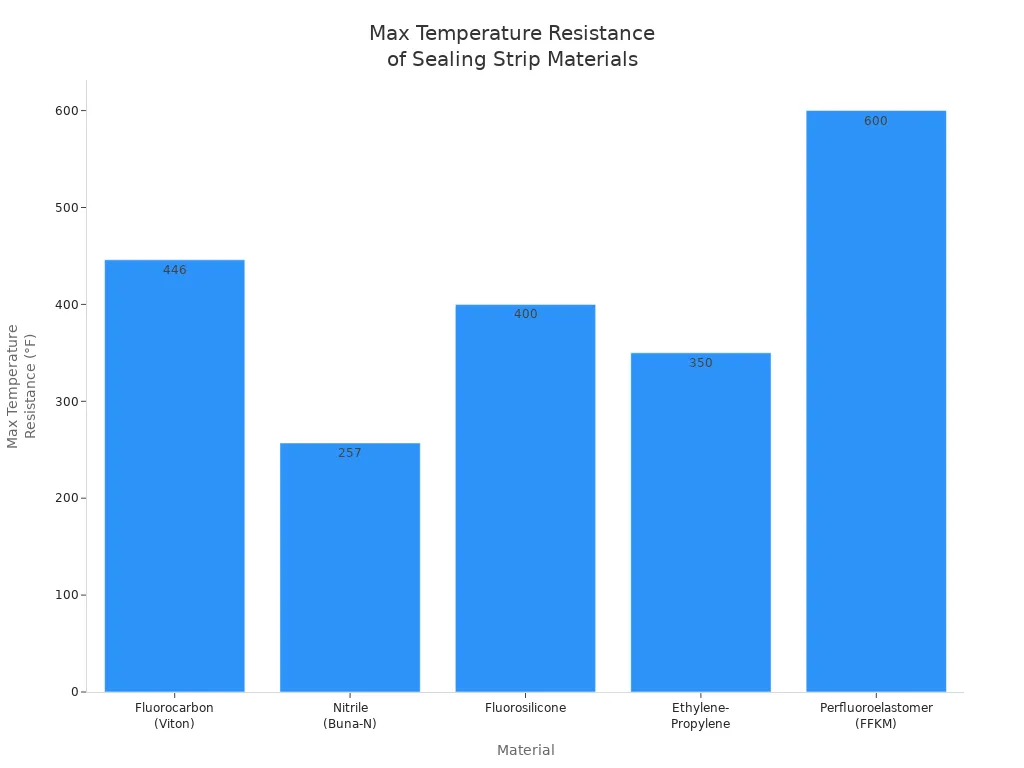
There are many materials used for sealing strips in cars. Rubber is popular because it lasts long and handles bad weather. Silicone and EPDM rubber work well in hot and cold places. These materials do not crack and keep their shape for years. Some special car parts use fluorocarbon and nitrile. Each material has its own strengths for your car.
Here is a table that shows how common materials perform:
Material | Temperature Resistance (°F) | Common Applications |
|---|---|---|
Fluorocarbon (Viton) | -13 to +446 | Fuel systems, engine seals, high heat areas |
Nitrile (Buna-N) | -40 to +257 | Off-road, seals, fuel systems |
Fluorosilicone | -75 to +400 | Fuel and oil resistance |
Ethylene-Propylene | -40 to +275 (up to +350) | Weather seals, brake systems |
Perfluoroelastomer | -13 to +600 | Chemical, petroleum, high heat |
You can see how these materials handle heat and cold:
Silicone and EPDM rubber are also very tough. Silicone lasts for many years and works in very hot or cold weather. EPDM rubber stays strong in cold and hot places and costs less.
Sealing strips come in different shapes for different car parts. D-shaped strips fill gaps in doors and windows. They are easy to put in and block air and water. V-shaped strips can handle sunlight and big temperature changes. They stay bendy and last a long time. Self-adhesive strips stick on by themselves, so you do not need tools.
Here is a table with the advantages of each type:
Type | Advantages |
|---|---|
D-shaped | Versatile, easy to install, seals air and water, durable |
V-shaped | UV and temperature resistant, elastic, long life |
Tip: Choose the right shape for your car. This gives you better protection and longer-lasting seals.
Electric cars need special sealing strips for battery packs. These strips keep water, dust, and heat away from the battery. Using the right strips keeps your battery safe and working well. These strips are made for high heat and tough places. They fit tightly and stop leaks. You should check these seals often to keep your car safe and avoid damage.
Sealing strips face a lot of stress every day. Over time, you may notice signs that these strips are wearing out or getting damaged. Here are some common causes and signs:
Loud noise from the road can mean the weather stripping is damaged.
Water leaks inside your car often point to a broken seal.
If your car does not keep heat well, the seal may have failed.
Visible cracks or holes in the rubber show clear damage.
Hard or brittle rubber means the strip is no longer flexible.
Cars older than 25 years with original weather stripping are more likely to have problems.
When sealing strips wear out, water can get inside. This can lead to mold growth and damage your car’s interior. Water can also reach electronic parts and cause them to fail. If you see broken welds or gaps, water can seep in even more easily.
Tip: Check your seals after heavy rain or a car wash. Wet carpets or water stains are warning signs.
You can spot failing sealing strips by looking for these symptoms:
Increased road noise while driving
Wet spots or water stains near doors and windows
Trouble keeping the car warm or cool
Cracks, tears, or flat spots on the rubber
Whistling sounds when driving at high speed
The “dollar bill test”: If you close the door on a dollar bill and it slides out easily, the seal is weak
These signs tell you it is time to inspect or replace your sealing strips.
Damaged sealing strips do more than let in water and noise. They can affect your whole driving experience. When seals fail, your car’s heating and cooling systems must work harder. This uses more energy and can raise your fuel costs. You may also notice more noise and temperature changes inside the car. Keeping your sealing strips in good shape helps your car stay comfortable, quiet, and energy efficient.
You should inspect your car’s sealing strips often. Regular checks help you catch problems early and keep your vehicle safe. Manufacturers recommend different inspection intervals based on where you use your car. Here is a table that shows how often you should check your seals:
Application Environment | Recommended Inspection Interval |
|---|---|
Industrial | Monthly |
Household | Quarterly |
You can use simple tools to inspect and clean your sealing strips. These tools help you find damage and keep the strips working well:
Flathead screwdriver
90-degree picks for cleaning tracks
Sandpaper
Clean, dust-free rags
Microfiber towels
Utility knife (optional)
Replacement weather stripping
Adhesive remover
Weather strip adhesive
Silicone spray
Silicone gel (optional)
Low adhesion paper tape or clamps (optional)
Foam backer rod (optional, for repairs)
Tip: Use a flashlight to look for cracks, gaps, or hard spots in the rubber. Run your fingers along the strip to feel for rough areas.
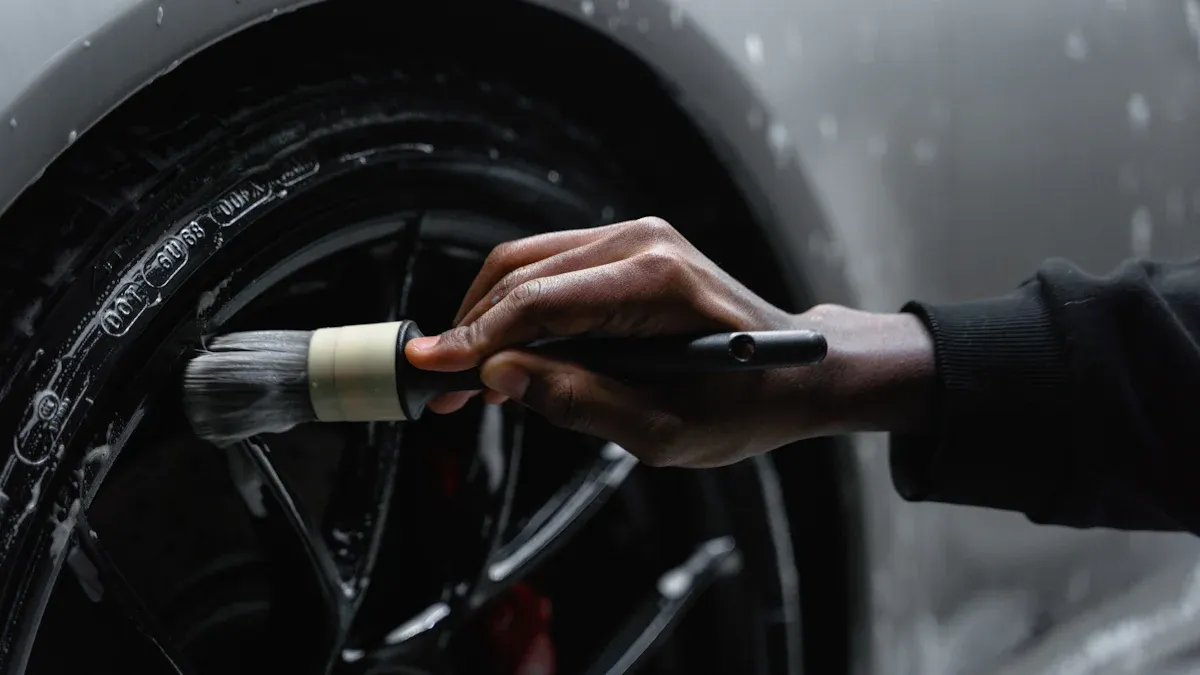
You can make your sealing strips last longer by following good maintenance habits. Clean seals often to remove dirt and debris. Dirt can rub against the rubber and cause it to wear out faster. Research shows that up to 70% of seal failures come from impurities. Keeping seals clean helps your car stay quiet and dry.
Use warm water and mild soap for light cleaning. For tough stains, use a diluted bleach solution. Scrub gently to remove dirt and grime. After cleaning, dry the strips with a microfiber towel.
Here are steps you can follow to keep your seals in top shape:
Keep Seals Clean and Free of Debris: Clean seals regularly to prevent early wear.
Lubricate Regularly: Use silicone-based lubricants to keep seals flexible.
Inspect Seals for Wear and Tear: Look for cracks, tears, or hard spots.
Protect Seals from Extreme Temperatures: Choose the right material for your climate.
Avoid Exposure to Harmful Chemicals: Keep seals away from harsh cleaners.
Ensure Proper Installation: Install strips carefully to avoid damage.
Store Seals Properly When Not in Use: Keep spare strips in a cool, dry place.
Replace Seals When Necessary: Change worn strips before they fail.
Note: You can find replacement sealing strips at auto parts stores, dealerships, and online shops. Brands like GM Genuine Parts offer specialized strips for battery packs and electric vehicles.
Sometimes you can fix a damaged sealing strip. Other times, you need to replace it. Here are signs that tell you what to do:
Dry rot or missing chunks mean you must replace the strip.
Wind noise or water leaks show possible damage. Check the strip and decide if you can repair it.
If the strip is glued in, you may need professional help to remove it.
Tricky interior trim can make repairs hard. You might need a mechanic.
If you cannot find the right part, replacement is the best choice.
You should also think about cost. Here is a table that shows how much you might pay:
Source | Cost Estimate |
|---|---|
Junkyard | ~$5 per piece |
Dealer | $60 to $120 per piece |
Online | ~$125 per seal |
Tip: If you see cracks, leaks, or hear whistling sounds, act fast. Replacing a strip costs less than fixing water damage or electrical problems later.
You can replace sealing strips yourself if you follow the right steps. Here is a simple guide:
Pick a warm day to work. The temperature should be at least 60°F.
Clean the area where you will attach the new strip. Use detergent and water to remove dirt and grease. If old adhesive remains, use petroleum jelly to get rid of it. Dry the surface well.
Cut the new strip to fit. Use scissors, but keep the backing paper on.
Start at one end. Slowly peel off the backing paper while pressing the sticky foam strip into place. If the backing sticks, stretch the foam until the seal breaks.
Attach the strip on the hinge side to the doorjamb.
Attach the other strips to the doorstop. If the door catches the weather stripping, trim the top piece of foam on the hinge side.
Note: Test the door or window after you finish. Make sure it closes tightly and no gaps remain. Clean up any leftover adhesive or debris.
You can use these steps for doors, windows, and battery packs. Always check the fit and seal before you finish. Good sealing strips keep your car safe, quiet, and dry.
Taking care of sealing strips helps your car stay safe and comfy. Clean them often so you can stop leaks and loud sounds. Always use rubber conditioner and do not use strong chemicals. If a strip is damaged, replace it fast to save money.
Good weather sealing keeps water out of your car.
Less noise makes driving more peaceful.
Strong seals help your car last longer and keep its value high.
Function | Benefit |
|---|---|
Sealing | Stops rain and cold wind |
Battery Pack Protection | Makes the battery last longer |
Check your car’s sealing strips often to keep it working well.
You should inspect sealing strips every three months. Look for cracks, gaps, or hard spots. Regular checks help you catch problems early and keep your car safe from leaks and noise.
Yes, you can install new sealing strips at home. Clean the area, cut the strip to size, and press it into place. Follow the instructions on the package for best results.
Watch for water leaks, loud road noise, or visible cracks. If you notice whistling sounds or the strip feels hard, replace it soon. These signs mean the strip no longer protects your car.
Electric vehicles use special strips for battery packs. These strips block water, dust, and heat. You keep your battery safe and your car running well by using the right type.
You can buy replacement strips at auto parts stores, dealerships, or online. Brands like GM Genuine Parts offer strips for doors, windows, and battery packs. Check your car’s manual for the correct size and type.


