


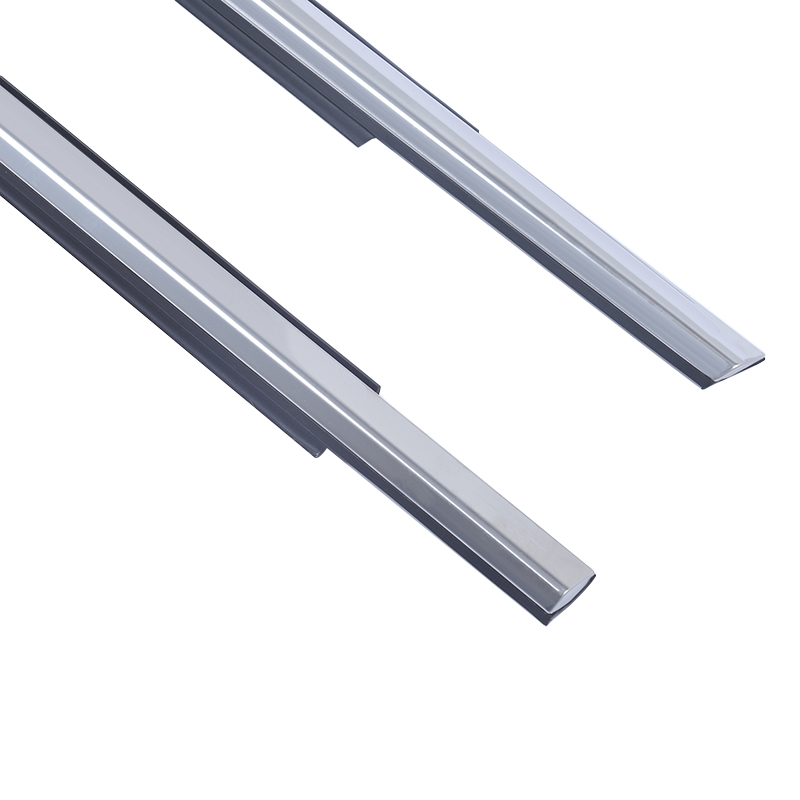


Material: EPDM/TPE/TPV+Aluminum
Color: Black or custom. Delivery time: 10-40 days.
Size: Customizing
Single packaging size:100 x 10 x 10 centimeters
Gross weight:2kg/pcs
Production Technology: Extrusion or molding.
Function: Waterproof, durable, anti-aging and highly tensile.


The EPDM Automotive Left Front Window Sill Seal, also known as an outer waist belt sealing strip, is designed for installation on the outside position of the left front door window sill. It helps prevent rainwater, dust, wind noise, and road debris from entering the vehicle door area while protecting internal door components and improving overall driving comfort.
Xinqiang manufactures custom automotive window sill seals using EPDM, TPE, TPV, and aluminum-reinforced structures. The product can be customized according to vehicle drawings, samples, profile dimensions, and installation requirements. It is suitable for automotive OEM projects, Tier 1 suppliers, aftermarket distributors, and vehicle sealing system manufacturers.
Designed for left front door outer window sill sealing applications
Helps block water, dust, wind noise, and external contaminants
Available in EPDM, TPE, TPV, and aluminum-reinforced structures
Excellent aging resistance, weather resistance, and long-term sealing performance
Supports customized profile shape, length, hardness, color, and installation structure
Manufactured through rubber extrusion, molding, cutting, and assembly processes
Suitable for passenger cars, SUVs, commercial vehicles, and custom automotive projects
This automotive window sill seal provides stable sealing performance under daily vehicle operating conditions. The EPDM material offers excellent resistance to sunlight, ozone, rain, and temperature changes, making it suitable for long-term outdoor use. With proper compression and flexible profile design, the seal helps reduce wind noise, improve waterproof performance, and protect the door system from moisture and dust intrusion.
For customized projects, Xinqiang can develop sealing strips based on customer drawings, original samples, or specific vehicle installation requirements. We support material selection, profile design, tooling development, sample verification, and mass production to help customers achieve reliable sealing performance and consistent product quality.
The Left Front Window Sill Seal is mainly used in automotive door window sealing systems, especially for the outer waist belt position of the left front door. It is widely applied in:
Passenger car door sealing systems
SUV and commercial vehicle window sealing systems
Automotive outer waist belt sealing structures
Door glass and window sill protection areas
OEM vehicle assembly and aftermarket replacement projects
Custom automotive rubber sealing strip applications
Xinqiang provides OEM and ODM manufacturing services for automotive rubber sealing components. We can customize the product according to your drawing, sample, vehicle model, installation position, material requirements, hardness, length, surface treatment, and packaging needs.
Available customization options include:
Material: EPDM, TPE, TPV, or customized rubber compound
Structure: solid rubber, foam rubber, or aluminum-reinforced design
Size: customized length, width, thickness, and profile shape
Color: black or customized color
Installation method: clip-on, press-fit, sliding, or adhesive-assisted design
Function: waterproofing, dust protection, noise reduction, anti-aging, and vibration resistance
To ensure stable performance, each automotive window sill seal can be produced according to strict quality control requirements. Xinqiang focuses on dimensional accuracy, material stability, surface quality, sealing performance, and batch consistency. Our manufacturing capability supports automotive sealing projects that require reliable performance, customized development, and long-term supply.
Q1: What is a left front window sill seal used for?
A left front window sill seal is installed on the outside position of the vehicle’s left front door window sill. It helps block water, dust, wind noise, and debris from entering the door area.
Q2: Can this window sill seal be customized for different vehicle models?
Yes. The profile shape, length, material, hardness, reinforcement structure, and installation method can be customized according to drawings, samples, or vehicle application requirements.
Q3: What materials are available for this product?
Common material options include EPDM, TPE, TPV, and aluminum-reinforced rubber structures. EPDM is widely used because of its excellent weather resistance, aging resistance, and sealing performance.
Q4: Do you support OEM automotive sealing strip projects?
Yes. Xinqiang supports OEM and ODM projects, including product design, material selection, tooling development, sample production, extrusion, molding, cutting, assembly, and mass production.
Q5: What information should I provide for a quotation?
Please provide drawings, samples, vehicle model, installation position, material requirements, hardness, length, order quantity, packaging requirements, and any specific performance standards.


